You've been with the same auto insurance company for three years. Your rate just jumped $40 a month — again — and you got exactly zero explanation for why. Sound familiar? Switching car insurance is easier than most people think, and it could save you hundreds of dollars a year. This guide walks you through every step.
The good news: you can switch car insurance companies at any time — even mid-policy. You don’t need to wait until your renewal date. The process takes less than an hour in most cases, and if done correctly, you won’t experience a single day without coverage.
Let’s get into it.
Why People Switch Car Insurance (And Why You Should Too)
Most drivers stick with the same insurer out of habit. But loyalty doesn’t always pay off. According to the Consumer Federation of America, insurers often raise rates for long-term customers more than for new ones — a practice sometimes called “price optimization.”
- $700+ Average annual savings when switching insurers
- 40% Of drivers never compare rates after their first policy
- 30 min Average time to get quotes and switch providers
- $0 Cancellation fee at most major insurers
The most common reasons drivers switch car insurance include:
- Premium increased at renewal with no change in driving record
- Found a significantly cheaper quote elsewhere
- Unhappy with customer service or claims handling
- Life changes — new car, new address, added teen driver, got married
- Bundling discount available with a new home or renters insurance policy
Whatever your reason, switching is a normal and financially smart move. Let’s look at how to do it correctly.
Step-by-Step Guide to Switching Car Insurance
- Review your current policy before doing anything: Know what coverage you currently have — liability limits, comprehensive, collision, uninsured motorist, etc. Write it down. You want to compare apples to apples when you get new quotes. Switching to a cheaper policy that offers far less coverage isn’t a win — it’s a trap.
- Check your cancellation terms: Look at your current policy for any cancellation fees. Most major insurers — State Farm, Geico, Progressive, Allstate — charge no cancellation fee. However, some smaller or specialty insurers do. Also check if you’re entitled to a pro-rated refund for unused premium. In most states, you are.
- Gather your information before getting quotes: To get accurate quotes, you’ll need: your driver’s license number, vehicle VIN, current coverage details, your driving history for the past 3–5 years, and your annual mileage estimate. Have all of this ready to speed up the process.
- Shop and compare at least 3 to 5 quotes: Use comparison sites like The Zebra, NerdWallet, or Insurify, and also go direct to insurer websites. Rates can vary by hundreds of dollars for identical coverage. Don’t stop at the first quote that looks good — spend 20 minutes and compare several.
- Pick your new policy and set the start date carefully: When you’ve found a better deal, purchase the new policy first — before cancelling the old one. Set your new policy’s effective date to the same day you plan to cancel the old one. Never let there be a gap between policies, even for one day. A lapse in coverage can raise your future rates and leave you legally exposed.
- Cancel your old policy officially: Call your current insurer or log into their portal and formally cancel. Get written confirmation — an email or cancellation letter — and keep it. Ask about your refund for the unused portion of your premium if you’ve prepaid.
- Update your proof of insurance and notify your lender: Download or print your new insurance card immediately. If your car is financed or leased, notify your lender of the change — they require you to maintain coverage and need to be listed as a lienholder on the new policy. Forgetting this step can cause your lender to place expensive “force-placed” insurance on your loan.
Key rule: Always secure new coverage before cancelling the old policy. A single-day lapse can result in your state suspending your registration, and future insurers will charge you more for the gap in coverage history.
When Is the Best Time to Switch Car Insurance
The simple answer: any time. But some moments are smarter than others.
At renewal time
The easiest moment to switch — your old policy is ending anyway. You avoid any cancellation complexity and can seamlessly transition to a new provider.
After a rate increase
If your premium jumped without a clear reason — no accidents, no tickets, no major claims — that’s the ideal moment to shop around. Insurers count on your inertia.
After a major life change
Moving to a new ZIP code, buying a new car, getting married, or adding a young driver all change your risk profile — and potentially your best rate options.
After improving your credit score
In most states, insurers use credit-based insurance scores to set premiums. If your credit improved significantly, you may qualify for much better rates than a year ago.
After a clean driving period
Accidents and violations typically stay on your record for 3–5 years. Once they age off, shopping around can yield dramatic savings — sometimes $400–$800 per year.
What to Compare Beyond Just the Price
Price matters — but the cheapest policy isn’t always the best policy. Before you switch, evaluate these factors side by side:
| Factor | What to Look For | Why It Matters |
|---|---|---|
| Coverage limits | Match or exceed your current limits | Lower limits = more out-of-pocket in a serious accident |
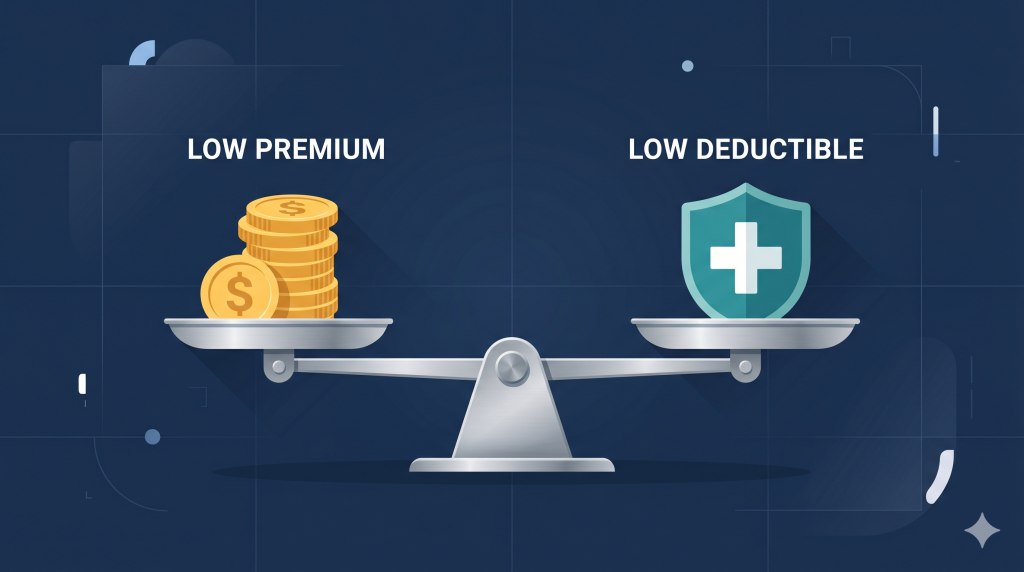
| Deductible amount | Amount you can comfortably pay out of pocket | Higher deductibles lower premiums but increase your risk |
| Claims satisfaction | J.D. Power Claims Satisfaction score | A low price is worthless if claims are denied or delayed |
| Financial strength | AM Best rating of A or better | Ensures the company can actually pay large claims |
| Discounts available | Bundling, safe driver, telematics, loyalty | Can significantly lower your final premium |
| Digital experience | App quality, online claims filing, 24/7 support | You’ll want easy access when something goes wrong |
“The best car insurance isn’t the cheapest one. It’s the one that actually shows up when you need it.”
Common Mistakes to Avoid When Switching
Cancelling First, Shopping Later
This is the most common — and most costly — mistake. Even a one-day lapse in coverage can trigger a rate increase with your next insurer, and in many states, can lead to license suspension. Always buy first, cancel second.
Comparing Different Coverage Levels
If your current policy has $100,000/$300,000 liability limits and the new quote is based on $50,000/$100,000, the new policy will obviously be cheaper. Make sure you’re comparing the same coverage structure across all quotes.
Forgetting to Notify Your Lender
If you finance or lease your vehicle, your lender must be listed on the policy. Fail to update them and they may impose force-placed insurance — a policy that protects only the lender, often costs 3–5 times more, and covers nothing for you.
Ignoring the Refund from Your Old Insurer
Most policies are prepaid. If you cancel mid-term, you’re typically owed a refund for the unused portion. Don’t walk away from that money — follow up if the refund doesn’t arrive within 2–4 weeks.
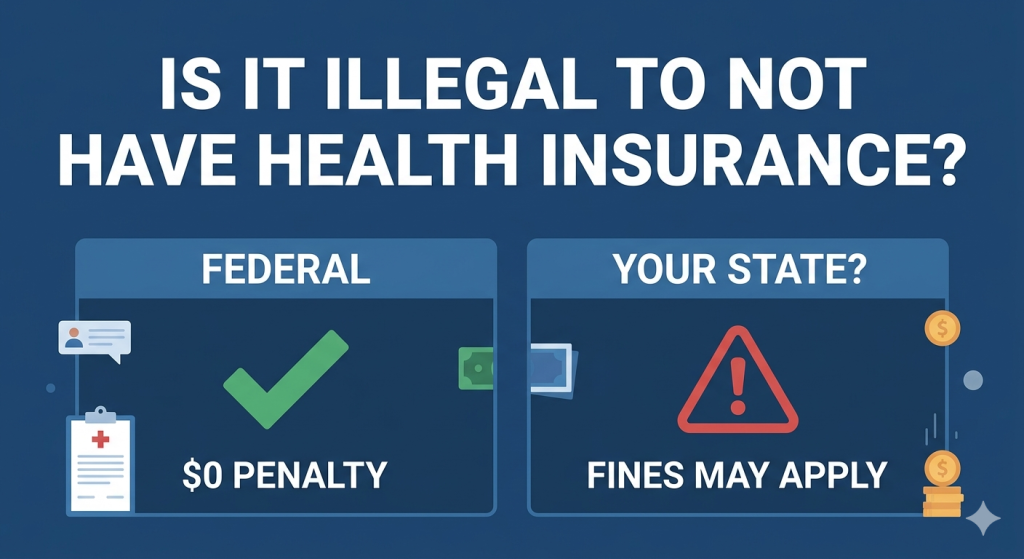
Important: Some states require continuous auto insurance coverage by law. A lapse — even briefly — may result in fines, license suspension, or a vehicle registration hold. Check your state’s requirements at your DMV website.
How to Get the Best Rate When You Switch
Switching is the perfect time to optimize your policy. Use these strategies to lock in the lowest possible rate:
- Bundle with home or renters insurance. Most insurers offer 5–25% off when you hold multiple policies. This alone can wipe out any price difference between companies.
- Opt into telematics or usage-based programs. Apps like Progressive’s Snapshot or State Farm’s Drive Safe & Save track your driving habits and can reduce premiums by 10–30% for safe drivers.
- Pay in full upfront. Paying your 6-month or annual premium all at once typically earns a 5–10% discount versus monthly billing.
- Ask about discounts you might not know about. Good student discount, professional organization discount, military discount, paperless billing, auto-pay — ask explicitly. Insurers don’t always volunteer these.
- Increase your deductible if you can afford it. Raising your collision deductible from $250 to $1,000 can reduce that portion of your premium by 20–40%.
- Drop coverage you no longer need. If your car is older and low in value, carrying comprehensive and collision may cost more than the car is worth. Use the general guideline: if the annual premium for those coverages exceeds 10% of the car’s value, consider dropping them.
Does Switching Car Insurance Hurt Your Credit
This is one of the most common fears — and it’s largely unfounded. When you get car insurance quotes, insurers typically run a soft credit inquiry, not a hard pull. Soft inquiries do not appear on your credit report and do not affect your score.
So shop freely. Getting five quotes from five different insurers in one afternoon will not lower your credit score. This is fundamentally different from applying for a credit card or auto loan, where hard inquiries are used and can affect your score temporarily.
Note: A handful of states — California, Hawaii, Massachusetts, and Michigan — restrict or ban the use of credit scores in setting auto insurance premiums. If you live in one of these states, your credit history plays little to no role in your rate.
Switching Car Insurance With a Loan or Lease
If you’re financing or leasing your vehicle, switching insurance is still straightforward — but you have one extra step: updating your lender.
Your lender (a bank, credit union, or dealership finance arm) needs to be listed on your policy as an “additional interest” or “loss payee.” This protects their financial stake in the vehicle. When you purchase a new policy, provide your lender’s name and address during the application. The new insurer will handle sending proof of insurance to the lienholder in most cases — but verify this happened and keep a copy of confirmation.
Frequently Asked Questions
Can I switch car insurance at any time, not just at renewal?
Yes. You can cancel your current policy at any time and switch to a new one. Most insurers will refund the unused premium on a pro-rated basis. There is no rule requiring you to wait for your renewal date.
Will switching car insurance affect my premium history or claims record?
Your driving record and claims history follow you through a national database called CLUE (Comprehensive Loss Underwriting Exchange). New insurers will check this report when quoting you, so your accident or claims history transfers regardless of which company you’re with.
How often should I shop for car insurance?
Most experts recommend comparing rates every 12 months or whenever a major life event occurs. Insurance markets shift frequently, and loyalty rarely earns you the best price.
What if I have an open claim when I switch insurers?
Your current insurer handles any open claims regardless of whether you cancel the policy. Switching mid-claim is allowed, but wait until the claim is settled if possible — it simplifies the process considerably and avoids any billing confusion.
Is switching car insurance worth it if I save only a small amount?
That depends on the difference in coverage quality and service. Saving $15 a month ($180/year) is meaningful. But if the new insurer has weaker claims support or lower financial ratings, weigh those trade-offs carefully before switching purely on price.
Can I switch back to my old insurance company if I change my mind?
Yes, in most cases. Contact your old insurer and request a new quote. They may offer the same rate or different pricing based on the time elapsed. Some insurers offer a “win-back” discount to returning customers.
The Bottom Line
Switching car insurance is one of the easiest and most overlooked ways to save money. The average driver who shops around saves hundreds of dollars annually — for doing nothing more than spending 30 minutes comparing quotes online.
The process is straightforward: review your current coverage, gather your information, compare at least 3–5 quotes for equal coverage, buy the new policy first, then cancel the old one. That’s it.
Don’t let inertia cost you money. Your insurer is counting on it — but you don’t have to play along.
Did this guide help you?
Share it with a friend who’s overpaying on car insurance, or leave a comment with your own switching experience. Your insight could save someone else real money.
Sources & References:
Consumer Federation of America — Price Optimization in Auto Insurance
J.D. Power — U.S. Auto Insurance Study 2024
AM Best — Insurance Company Financial Strength Ratings
NAIC.org — National Association of Insurance Commissioners (CLUE Database Info)
Insurance Information Institute (III) — iii.org — Auto Insurance Basics
NerdWallet — Average Car Insurance Costs by State 2025–2026