You slipped on the stairs, your kid spiked a 103°F fever at 9 PM, or you simply cannot wait three weeks for a doctor's appointment. Urgent care clinics are the middle ground between your primary care doctor and the ER — but what does an urgent care visit actually cost when you have insurance?
The short answer: most insured patients pay between $20 and $100 out-of-pocket at urgent care. But that number shifts depending on your specific plan, where you live, whether you’ve met your deductible, and what services you actually receive during the visit.
This article breaks it all down — clearly, honestly, and without the usual insurance jargon that makes your eyes glaze over.
What the Average Urgent Care Visit Costs With Insurance
Without insurance, a typical urgent care visit runs $100 to $300, and can climb past $500 if X-rays, labs, or procedures are added. With insurance, those numbers shrink considerably — but they don’t disappear entirely.
- $20–$50 Typical copay (in-network visit)
- $0–$100 After deductible is fully met
- $100–$300+ Before deductible is met (you pay %)
- $0 Some HMO/EPO plans (specific conditions)
According to the Kaiser Family Foundation (KFF), the average in-network urgent care copay for employer-sponsored plans is around $35 to $50 per visit. Plans purchased through the ACA marketplace vary more widely but often fall in a similar range for silver and gold tiers.
Quick tip: Your copay only applies if you've already met your annual deductible — or if your plan uses copays from dollar one. Always check your Summary of Benefits before visiting.
What Determines Your Out-of-Pocket Cost at Urgent Care
If you’ve ever gotten a medical bill that didn’t match your expectations, you’re not alone. Here are the five main factors that decide what you’ll actually pay:
1. Your Deductible Status
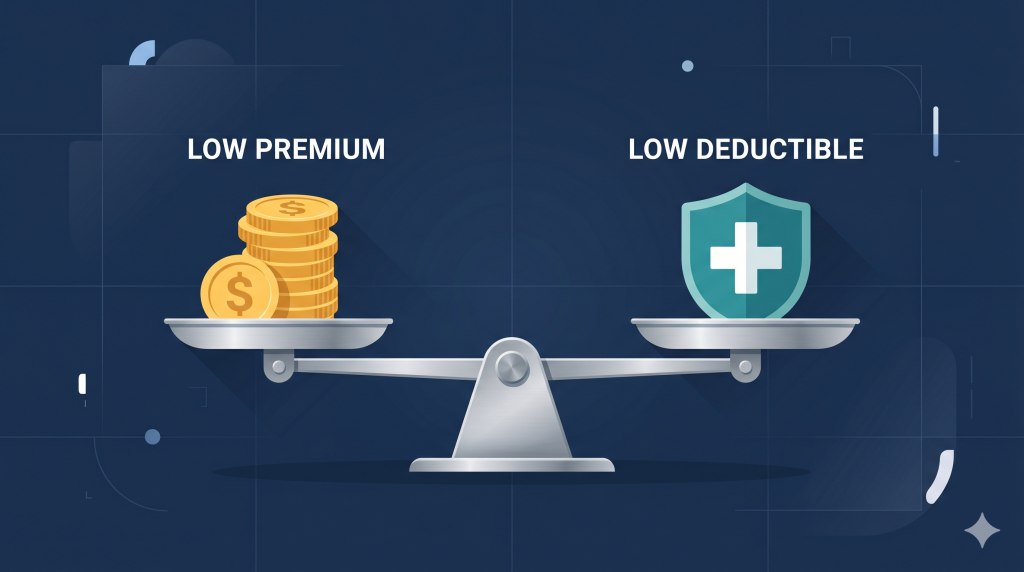
Your deductible is the amount you pay before your insurance starts sharing costs. If your deductible is $1,500 and you haven’t spent anything yet this year, you may owe the full visit cost — not just a copay.
Once your deductible resets (usually January 1st), you start from zero again. Early in the year, expect higher bills. Later in the year, if you’ve already met it, your insurer covers more.
2. In-Network vs. Out-of-Network
This is the big one people often miss. Going to an in-network urgent care center means your insurer has a negotiated rate and will cover their agreed portion. Out-of-network can mean significantly higher bills — sometimes the full cost.
Watch out: Not all urgent care centers are in-network with all insurers. Always verify before you walk in, especially if you're in an unfamiliar city or traveling.
3. Your Insurance Plan Type
The type of plan you carry heavily influences what you’ll pay:
| Plan Type | Urgent Care Cost | Notes |
|---|---|---|
| HMO | $20–$50 copay | Referrals usually not required for urgent care; must stay in-network |
| PPO | $35–$75 copay | More flexibility; out-of-network allowed but costs more |
| HDHP | Full visit cost until deductible met | Can pair with HSA to pay pre-tax dollars |
| EPO | $25–$60 copay | Network-only; no referrals needed |
| Medicaid | $0–$3 | Minimal or no cost in most states |
| Medicare | 20% after Part B deductible | Applies to Medicare-accepted clinics |
4. Services Received During the Visit
The visit fee is often just the starting point. Additional services are billed separately and each carries its own cost-sharing:
- X-rays: $25–$100+ with insurance
- Lab tests / blood work: $10–$75+ depending on test type
- Stitches or wound care: $30–$150 after insurance
- Prescription medications (if dispensed on-site): varies by formulary tier
5. Your Coinsurance Percentage
Some plans don’t use flat copays — they use coinsurance, where you pay a percentage (say, 20%) of the allowed amount. If the allowed amount for the visit is $180 and your coinsurance is 20%, you owe $36. Simple math, but it adds up when labs and imaging are included.
Step-by-Step: What to Do Before and After Your Visit
To avoid surprise bills and maximize your insurance benefits, follow these practical steps:
- Call your insurance first: Even a 2-minute call to the member services number on your card can confirm if a nearby urgent care center is in-network. Many insurers also have a provider search tool online or in their app.
- Ask the clinic about their billing practices: Some urgent care clinics bill like physician offices; others bill as outpatient facilities. The billing code used affects how your insurer processes the claim.
- Show your insurance card both sides: Make sure the front desk registers your insurance correctly. Billing errors are common and surprisingly fixable when caught early.
- Request an itemized bill after the visit: When the Explanation of Benefits (EOB) arrives, compare it line by line with the itemized bill. Errors happen more than you’d think.
- Appeal if something looks wrong: Insurers deny or underpay claims sometimes. You have the right to appeal — and many people successfully reduce or eliminate incorrect charges just by asking.
Urgent Care vs. Emergency Room With Insurance
Choosing urgent care over the ER for non-life-threatening situations is one of the smartest financial decisions you can make. Here’s why:
“The average ER visit costs over $2,200, even with insurance. The average urgent care visit? Around $150 total.”
— Based on data from FAIR Health Consumer
| Setting | Avg. Out-of-Pocket (Insured) | Best For |
|---|---|---|
| Primary Care | $20–$40 | Routine checkups, follow-ups, chronic conditions |
| Urgent Care | $35–$100 | Infections, sprains, minor injuries, fevers |
| Emergency Room | $300–$1,500+ | Life-threatening conditions, severe chest pain, strokes |
| Telehealth | $0–$49 | Minor issues, medication refills, consultations |
Pro tip: Many insurance plans now offer telehealth at $0 copay — a great option for issues that don't require a physical exam, like a sinus infection or a rash you can photograph.
How to Reduce Your Urgent Care Bill With Insurance
Even with good coverage, there are smart ways to lower what you pay out of pocket:
Use an HSA or FSA
If you have a Health Savings Account (HSA) or Flexible Spending Account (FSA), use those funds to pay urgent care costs. You’re spending pre-tax dollars, which effectively gives you a 20–35% discount depending on your tax bracket. That’s real money saved.
Ask for a Self-Pay Discount
This sounds counterintuitive, but some urgent care clinics offer lower rates to patients who pay cash upfront. It’s worth asking — especially if you’re on an HDHP and your insurance isn’t covering much anyway.
Schedule Wisely
If your urgent concern isn’t truly urgent (and you can wait a day), calling your primary care doctor first might save you money. Many PCPs keep slots open for same-day sick visits, and those typically cost less than urgent care.
Max Out Your Deductible Strategically
Near the end of the year and close to meeting your deductible? That might be the right time to take care of minor issues you’ve been putting off. Once your deductible is met, your insurer covers more and you pay less per visit.
Special Situations That Affect Your Cost
Children and Urgent Care Costs
If your child is on your family health plan, their urgent care visit is governed by the family deductible structure. Some plans have individual deductibles within a family plan — meaning your child may hit theirs before the family maximum is reached. It’s worth understanding your plan’s structure before a midnight fever sends you scrambling.
Urgent Care During Travel
When you’re out of state or abroad, your in-network options change. HMO plan holders may find themselves with no in-network urgent care options at all outside their region. PPO holders have more flexibility. Always carry your insurance card and contact number — and check whether your plan offers any out-of-area emergency coverage.
Uninsured Urgent Care Options
No insurance? You’re not without options. Many urgent care chains offer transparent self-pay pricing, often between $75–$150 for a basic visit. Federally Qualified Health Centers (FQHCs) offer sliding-scale fees based on income. The HRSA Health Center Program helps locate these clinics at findahealthcenter.hrsa.gov.
Frequently Asked Questions
Does urgent care count toward my deductible?
Yes, in most cases. Urgent care visits count toward your annual deductible. Any services like labs or X-rays also typically apply. Once your deductible is met, your coinsurance or copay kicks in instead.
Can urgent care deny me if I have no copay money?
Most urgent care centers will treat you and bill you later if you have insurance. If you’re uninsured and can’t pay upfront, let them know — many have financial assistance programs or payment plan options.
What if my urgent care visit gets coded as an ER visit?
This can happen if an urgent care center is attached to or affiliated with a hospital. Always confirm the billing type before receiving care. If billed incorrectly, contact your insurer to dispute the claim.
Is urgent care cheaper than going to my doctor?
It depends. Primary care visits typically have a lower copay ($20–$35 vs. $35–$75 for urgent care). However, same-day availability at urgent care often makes it worth the extra cost for time-sensitive situations.
Does Medicaid cover urgent care?
Yes, Medicaid covers urgent care in most states with minimal or no out-of-pocket cost to the patient. The clinic must accept Medicaid, so always verify before visiting.
The Bottom Line
Urgent care with insurance is genuinely affordable for most people — far more so than an ER visit, and often available same-day when your primary care doctor isn’t. The key variables are your plan type, deductible status, and whether you stay in-network.
Most insured patients pay $20 to $100 for a standard urgent care visit. That number rises if you need imaging, labs, or procedures. But with a little preparation — verifying your network status, understanding your deductible, and using an HSA — you can walk in confident about what you’ll pay.
Healthcare costs don’t have to be a mystery. The more you know about your plan, the less you’ll be surprised by the bill.
Found this article helpful?
Share it with someone navigating their health insurance, or drop a comment with your own urgent care experience. Your story might help someone else make a smarter healthcare decision.
Sources & References:
Kaiser Family Foundation (KFF) — Employer Health Benefits Survey 2024
FAIR Health Consumer — Medical Cost Lookup Tool
CMS.gov — Medicare Costs and Coverage
HRSA.gov — Find a Health Center (findahealthcenter.hrsa.gov)
Healthcare.gov — Understanding Copayments, Deductibles & Coinsurance