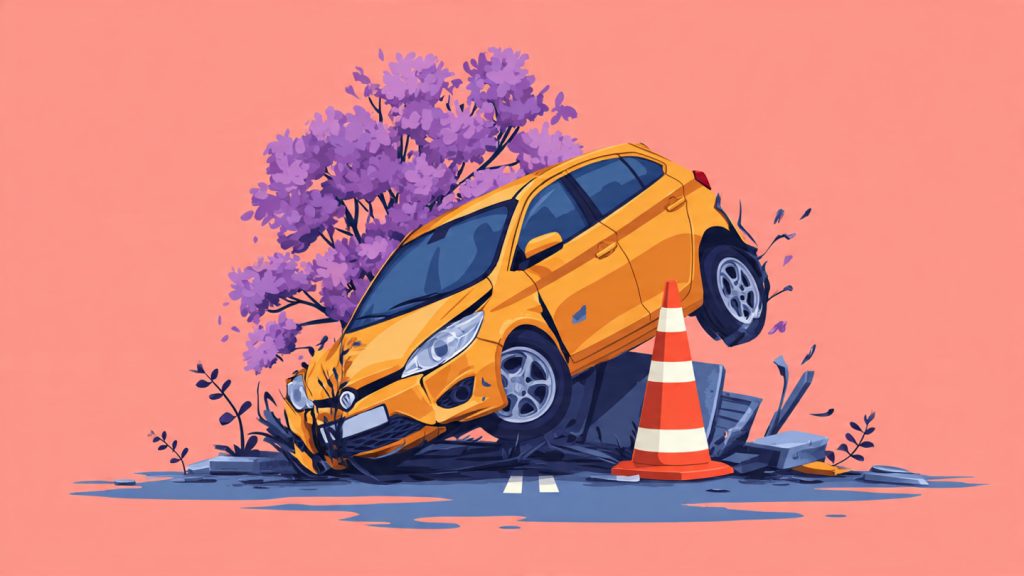
You just heard a horrible scraping noise from under your car. Or maybe someone backed into your door in a parking lot. Whatever the situation, your first thought is probably the same as everyone else’s: “Will my car insurance pay for this?”
The short answer is: it depends. And that “it depends” is doing a lot of heavy lifting. Car insurance is not a one-size-fits-all product. What gets covered comes down to the type of policy you have, the cause of the damage, and sometimes even the fine print your insurer hopes you never read.
So let’s break this down clearly, honestly, and without the confusing insurance jargon.
What Car Insurance Actually Covers
Car insurance is designed to protect you from financial loss, not to act as a general maintenance fund for your vehicle. This is one of the most common misconceptions drivers have, and it leads to a lot of frustration at claim time.
Most standard auto insurance policies are made up of several different coverage types. Each one covers a different kind of event or damage. Here is a breakdown of the most common ones and what they actually pay for.
Liability Coverage
Liability coverage is legally required in almost every U.S. state. But here is the thing: it does not cover repairs to your own car. Liability pays for damage you cause to other people’s vehicles or property, and it covers their medical bills if you injure them.
So if you rear-end someone, your liability coverage pays to fix their car. Your car? That is on you unless you have additional coverage.
Collision Coverage
This is the one that pays to repair your own vehicle after a crash. Collision coverage kicks in when your car hits another vehicle or object, like a guardrail, a tree, or a light pole, regardless of who is at fault.
If you have a car loan or lease, your lender almost certainly requires you to carry collision coverage. If you own your car outright, it is optional but often worth having, especially for newer vehicles.
Comprehensive Coverage
Despite the name, comprehensive coverage does not cover everything. It covers damage caused by events other than collisions. Think theft, vandalism, hailstorms, floods, fire, falling objects, and animal strikes (yes, hitting a deer counts).
If a tree falls on your car during a storm, comprehensive coverage handles the repairs. If someone keys your car in a parking lot, same thing.
Uninsured and Underinsured Motorist Coverage
If someone hits your car and they either have no insurance or not enough insurance to cover your damage, this coverage steps in. It is required in many states and optional in others, but it is one of the smarter add-ons you can have.
What Car Insurance Does Not Cover
This part is where a lot of drivers get surprised, and not in a good way. Car insurance is not a warranty. It is not a maintenance plan. It does not cover normal wear and tear or mechanical breakdowns that happen simply because a car gets older and parts wear out. Here are some specific repairs your auto insurance will not cover.
Mechanical Breakdowns
Your engine fails. Your transmission slips. Your brakes wear down from regular use. None of these are covered by standard car insurance because they are considered mechanical issues, not the result of a sudden, unexpected accident or event.
For mechanical breakdown protection, you would need either a manufacturer’s warranty, an extended warranty, or a mechanical breakdown insurance (MBI) policy. Some major insurers like GEICO do offer MBI as a separate product, but it is not included in your standard auto policy.
Routine Maintenance
Oil changes, tire rotations, new brake pads, air filters, timing belts replaced at mileage intervals — all of this falls under regular maintenance. Car insurance does not cover any of it, and it never will. That is between you and your mechanic.
Wear and Tear
Tires that wear thin from driving, paint that fades over time, suspension components that degrade from road use — these are expected outcomes of owning a car. Insurers specifically exclude wear and tear because it is not a sudden or accidental loss.
Intentional Damage
If you intentionally damage your own car, insurance will not cover it. This seems obvious, but it is worth saying clearly. Insurance fraud is a serious crime and insurers are quite good at spotting it.
When Does Car Insurance Cover Repairs
Here is a more practical way to think about it. Car insurance covers repairs when the damage was caused by a sudden, unexpected event that falls under one of your active coverage types.
Some clear examples where insurance typically does pay for repairs include the following situations. You rear-end another car at a stoplight. Collision coverage pays to repair your vehicle after your deductible.
A hailstorm pounds your car while parked in your driveway. Comprehensive coverage handles the dent repair. An uninsured driver runs a red light and totals your car. Uninsured motorist coverage steps in. Someone breaks your car window and steals your stereo.
Comprehensive coverage covers the window and may cover the stolen items through your home insurance. A tree falls on your car during a thunderstorm. Comprehensive coverage takes care of it.
Understanding Your Deductible
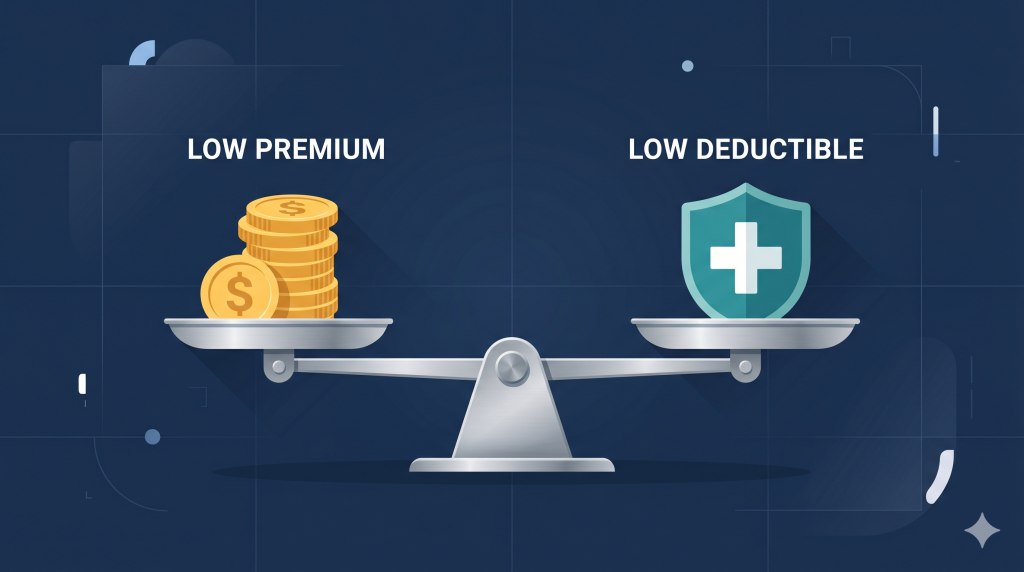
Before insurance pays anything for repairs, you are responsible for paying your deductible. This is the amount you agreed to pay out of pocket when you chose your policy. For example, if your deductible is $500 and the repair bill is $1,800, your insurer pays $1,300 and you pay $500. Simple enough.
Here is the practical tip: if the repair cost is close to or less than your deductible, there is no point in filing a claim. You would pay the same amount anyway, and filing a claim can cause your premium to go up at renewal. Always compare the repair cost to your deductible before calling your insurer.
What Happens When Your Car Is Totaled
Sometimes a repair estimate exceeds the actual cash value of the vehicle. When this happens, the insurer declares the car a total loss, meaning they pay you the market value of your car rather than fixing it.
The actual cash value takes into account factors like the car’s age, mileage, condition before the accident, and local market data.
This number is sometimes lower than what you feel the car is worth, which is why gap insurance exists. If you owe more on your car loan than what the car is worth, gap insurance covers that difference. Without it, you could find yourself still making payments on a car that no longer exists.
How the Claims Process Works Step by Step
If you are in an accident or your car is damaged, here is how to move through the claims process without unnecessary stress.
First, make sure everyone involved is safe. Call emergency services if there are injuries or if the vehicles are blocking traffic.
Second, document everything at the scene. Take photos of all damage, the position of the vehicles, any road signs or signals nearby, and the other driver’s insurance and license information.
Third, contact your insurance company as soon as possible. Most insurers now have 24/7 claims lines and mobile apps that let you start a claim instantly.
Fourth, your insurer will assign a claims adjuster who evaluates the damage. They may inspect the car in person or ask you to take it to a preferred repair shop or get an independent estimate.
Fifth, once the adjuster approves the repair, you can authorize the shop to proceed. You pay your deductible directly to the repair facility, and the insurer pays the rest.
Sixth, if you disagree with the settlement offer, you have the right to negotiate or hire a public adjuster to review the claim independently.
Does Insurance Cover Rental Cars During Repairs
Not automatically. Rental car reimbursement is an optional add-on coverage. If you have it, your insurer will pay for a rental vehicle while your car is being repaired after a covered claim, usually up to a daily and total limit.
If someone else is at fault for the accident, their liability insurance should cover your rental car. But if you are filing a claim on your own policy, you need that rental reimbursement coverage in place, or you pay out of pocket.
Tips to Make Sure You Are Properly Covered
Review your policy documents at least once a year. Coverage needs change as your car ages, your financial situation shifts, or your state’s minimum requirements update. Compare your deductible to your savings. If you could not comfortably cover a $1,000 deductible today, consider lowering it even if your premium rises slightly.
Ask your insurer about any gap in coverage you might have, especially if you lease or have a loan on your vehicle. Keep records of all maintenance and repairs. If you ever have a dispute with your insurer about pre-existing damage, solid records help you defend your claim.
Do not wait until after an accident to read your policy. Reading it beforehand takes an hour. Regretting you did not takes much longer.
Final Thoughts on Car Insurance and Repairs
Car insurance is a genuinely useful financial tool when it is matched to the right situations. It protects you from the unexpected costs of accidents, weather events, theft, and more. But it is not a maintenance contract, and it is not a magic fund that pays for every repair your car might ever need.
Understanding what your specific policy covers, keeping your deductible in mind, and filing claims only when it makes financial sense will help you get the most value from your coverage without unnecessary rate increases. The best time to understand your car insurance is before something goes wrong.
And now that you know how it all works, you are already ahead of most drivers on the road. If you found this article helpful, share it with a friend who just bought their first car or recently renewed their policy. You might just save them from an unwanted surprise. Got questions or a claim story of your own? Drop it in the comments below. Real experiences help everyone learn.