A plain-English breakdown of what you actually pay, why it costs what it costs, and how to lower your monthly bill — without losing coverage.
A health insurance premium is the fixed monthly amount you pay your insurance company to keep your health plan active. Think of it like a subscription fee — you pay it every month whether you visit a doctor or not. It is separate from your deductible, copay, and coinsurance, which are additional costs you pay when you actually receive care.
The Full Definition: What Is a Health Insurance Premium?
A health insurance premium is the periodic payment — almost always monthly — that you make to an insurance company in exchange for maintaining your health insurance coverage. It is the price of keeping your policy active.
The word “premium” comes from the Latin praemium, meaning “reward” or “prize” — in this context, the reward is access to coverage when you need it.
Whether you go to the doctor once, never, or 20 times in a given month, your premium stays the same. It does not change based on your usage. This is what makes it different from your deductible, copay, or coinsurance — all of which only apply when you actually receive medical services.
Your premium is the cost of having insurance. Your deductible, copay, and coinsurance are the costs of using insurance. You always pay the premium. You only pay the others when you get care.
How Often Are Premiums Paid?
For most Americans, health insurance premiums are paid monthly. However, the exact frequency can vary depending on how you get your insurance:
- Employer-sponsored plans: Your premium contribution is usually deducted from each paycheck, so you effectively pay semi-monthly or bi-weekly.
- Marketplace (ACA) plans: You pay directly to the insurer, typically monthly.
- Medicare: Premiums are usually deducted from your monthly Social Security benefits.
- Medicaid: Most Medicaid enrollees pay little to no premium at all.
- Self-employed / individual plans: Monthly or quarterly payments depending on the insurer.
Who Pays the Premium?
This depends on where your insurance comes from. In most cases, the cost is split — or fully covered — by someone other than you alone.
What Factors Determine Your Premium Amount?
Health insurance premiums are not random. Insurers use specific, regulated factors to set prices. Under the Affordable Care Act (ACA), individual market insurers can only use these factors:
Average Health Insurance Premiums in the U.S. (2024–2025)
To give you a benchmark, here are typical monthly premium costs based on plan type and coverage:
| Coverage Type | Who Pays | Avg. Monthly Cost | Notes |
|---|---|---|---|
| Employer plan – individual | Employee share | ~$150–$300 | Employer covers rest (~$500+) |
| Employer plan – family | Employee share | ~$450–$700 | Employer pays majority |
| ACA Marketplace – individual | Full price (pre-subsidy) | ~$450–$600 | Subsidies can lower to $0–$200 |
| ACA Marketplace – family (4) | Full price (pre-subsidy) | ~$1,200–$1,800 | Varies by state significantly |
| Medicare Part B | Individual | ~$174 (standard 2024) | Higher for higher incomes (IRMAA) |
| Medicare Part D (drug) | Individual | ~$55–$100 | Varies by plan |
| Medicaid | Individual | $0 for most | Some states charge small premiums |
Premium vs. Deductible: What’s the Difference?
This is one of the most commonly confused pairs in health insurance. Here’s a clear comparison:
| Feature | Premium | Deductible |
|---|---|---|
| When you pay it | Every month, no exceptions | Only when you use care |
| Purpose | Keeps your plan active | Your share before insurance starts paying |
| Amount | Fixed (e.g., $450/mo) | Annual limit (e.g., $1,500/year) |
| Resets | Never (ongoing cost) | Every plan year (usually Jan 1) |
| Paid even if healthy? | ✅ Yes | ❌ Only if you receive care |
| Typical amount (individual) | $150–$600/month | $500–$7,000/year |
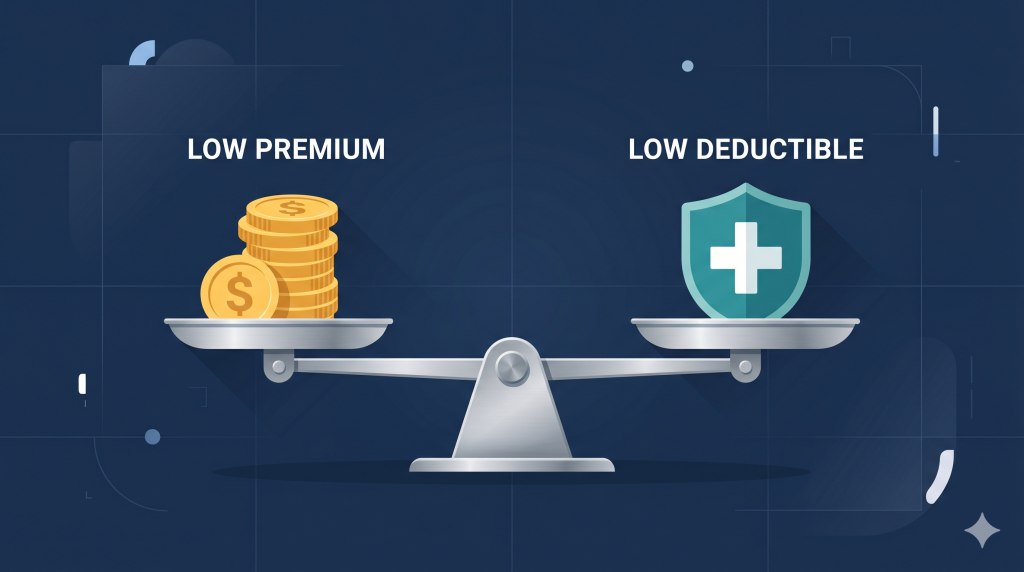
Plans with lower premiums almost always come with higher deductibles, and vice versa. This is intentional: insurers offset low monthly payments with higher out-of-pocket exposure when you actually use care. Choosing the right balance depends on how healthy you are and how often you expect to need care.
The Metal Tiers: How Plan Level Affects Your Premium
ACA marketplace plans are organized into four “metal” tiers. Each tier represents a different split between what you pay in premiums vs. what you pay when you use care. The percentages refer to what the plan covers on average across all enrollees.
Is Your Premium Tax Deductible?
In many cases, yes — but it depends on your situation:
| Your Situation | Premium Tax Deductible? | How |
|---|---|---|
| Self-employed individual | Yes – 100% | Above-the-line deduction on Schedule 1 |
| Employer-sponsored (pretax deductions) | Yes – effectively | Reduces your taxable wages via Section 125 cafeteria plan |
| ACA marketplace (with subsidies) | Partial | Only the portion you actually pay (net of subsidy) may be deductible |
| Itemizing medical expenses | Conditional | If total medical expenses exceed 7.5% of AGI, you can deduct the excess |
| Employee paying post-tax | Limited | Only if you itemize and total medical costs exceed the 7.5% AGI threshold |
Always consult a tax professional for your specific situation. Tax laws can change and individual circumstances vary.
What Happens If You Miss a Premium Payment?
Missing your premium payment is serious, but not always immediately catastrophic. Here’s what typically happens in a step-by-step sequence:
-
1Payment Due Date Passes Your insurer notes the missed payment. Your coverage technically remains active for the moment, but a clock starts ticking.
-
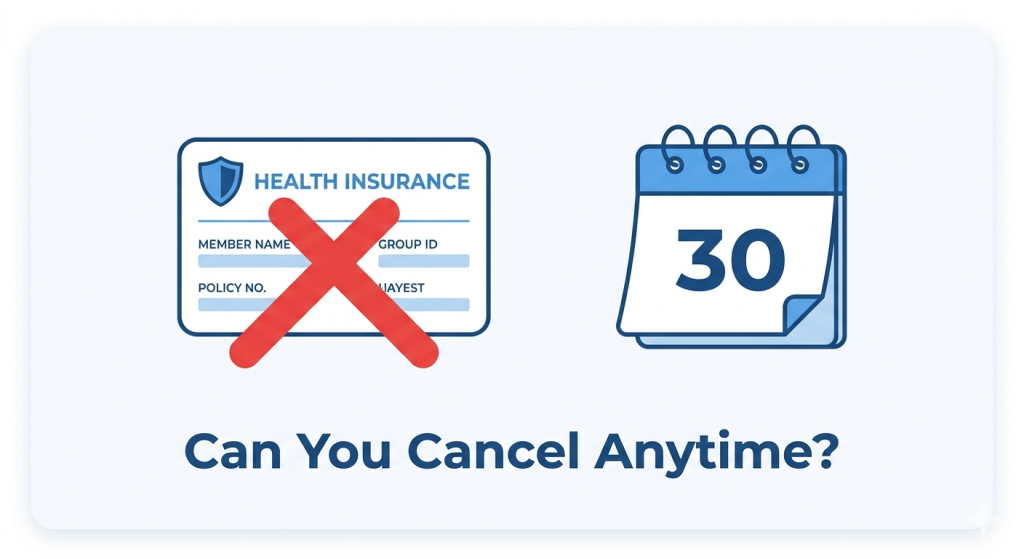
2Grace Period Begins Most ACA plans with subsidies have a 90-day grace period. Plans without subsidies, employer plans, and Medicare typically allow only 30 days. During this time, coverage may continue — but claims can be held in “pending” status.
-
3Insurer Sends Warning Notices You’ll receive written (and possibly phone/email) notifications warning you about the impending lapse. Don’t ignore these.
-
4Grace Period Ends Without Payment → Coverage Lapses Your insurance is cancelled retroactively. Any claims filed during the last 30 days of the grace period may be denied, and you’ll owe those medical bills out-of-pocket.
-
5Re-enrollment Required Once lapsed, you generally cannot re-enroll until the next Open Enrollment Period unless you qualify for a Special Enrollment Period (due to a qualifying life event).
How to Calculate Your True Annual Health Insurance Cost
Your premium is just one piece. To compare plans accurately, you need to calculate your total estimated annual cost. Here’s how:
Example: Plan A has a $200/month premium and a $5,000 deductible. Plan B has a $450/month premium and a $1,000 deductible. If you’re generally healthy and rarely use care, Plan A’s total cost ($2,400/year in premiums + minimal deductible) may be far less than Plan B ($5,400/year in premiums + some deductible). But if you have a major health event, Plan B’s lower deductible could save you thousands.
7 Proven Ways to Lower Your Health Insurance Premium
HDHP (High Deductible Health Plans) typically have the lowest premiums. Pair one with an HSA (Health Savings Account) to save tax-free for medical expenses.
Employer plans are heavily subsidized — often 70–80% paid by the employer. This is usually the most cost-effective option if available to you.
If your income is between 100–400% of the federal poverty level, you qualify for premium tax credits. Many people get plans for under $50/month or even $0/month.
Tobacco surcharges can add up to 50% to your premium. Quitting smoking removes this surcharge at your next renewal, saving potentially hundreds per month.
Choosing an HMO (vs. PPO) limits you to a network but significantly lowers premiums. If you don’t need out-of-network care, an HMO can be much cheaper.
If you’re generally healthy, a Bronze plan may give you far more value than a Gold plan — even though you pay more per visit. Run the numbers annually.
Plan pricing changes every year. Never auto-renew without comparing alternatives. Switching plans during Open Enrollment (Nov 1–Jan 15) can save hundreds per year.
Frequently Asked Questions
- A health insurance premium is your monthly payment to keep your health plan active — paid whether you use care or not.
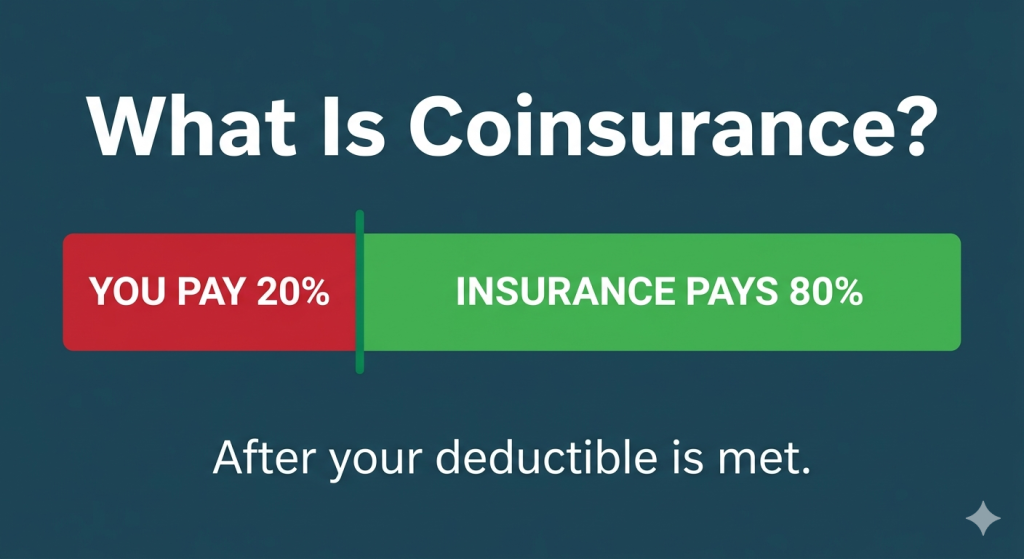
- It is different from your deductible (paid before coverage kicks in), copay (fixed fee per visit), and coinsurance (% of bills after deductible).
- Premiums are set based on your age, location, tobacco use, plan type, coverage tier, and metal level.
- Higher premiums usually mean lower out-of-pocket costs when you use care — and vice versa.
- Missing a premium payment triggers a grace period. After that, your coverage can be cancelled.
- You may be able to lower your premium through ACA subsidies, an HDHP, employer coverage, or quitting tobacco.
- Self-employed individuals can often deduct 100% of their health insurance premiums from their taxable income.
- Always calculate total annual cost (premium + expected out-of-pocket) when comparing plans — not just the monthly premium.