You didn’t have an accident. You didn’t get a ticket. You didn’t change anything — and yet your car insurance bill just went up. Sound familiar? You’re not imagining it. Millions of drivers face this exact situation every year, and most of them have no idea why it happened or what to do about it.
Car insurance rates go up for reasons that feel personal — and for reasons that have absolutely nothing to do with you. Understanding which category you’re in is the first step to actually doing something about it.
This guide covers every major reason your car insurance premium may have increased, how each factor affects your rate, and the concrete steps you can take to bring it back down.
How Much Have Rates Actually Increased
Before diving into causes, it helps to understand the scale of what’s happening in the auto insurance market right now. This isn’t just your imagination — rates have genuinely surged across the board in recent years.
- 19% Average U.S. auto insurance rate increase in 2023 alone
- $2,150 Average annual auto insurance premium in the U.S. in 2024
- 42% Cumulative rate increase from 2020 to 2024 for many drivers
- 38% Rise in average vehicle repair costs since 2020
“Auto insurance costs rose faster in 2023 than almost any other consumer category, driven by inflation in vehicle repair, medical care, and used car values.” — Bureau of Labor Statistics, CPI Data 2024
The point is: if your premium went up, you’re in very large company. But that doesn’t mean you’re stuck with it.
Reasons Your Car Insurance Went Up That Are Within Your Control
Some rate increases happen because of something you did — or something that changed in your personal profile. These are frustrating but fixable.
01 You had an accident (at-fault or not)
At-fault accidents are the single biggest personal trigger for rate increases. Insurers view a recent accident as evidence you’re more likely to have another one. Depending on your insurer and state, a single at-fault accident can raise your premium by 30% to 50% — and that increase typically lasts three to five years. Even not-at-fault accidents can cause modest increases with some carriers, though many states restrict this practice.
02 You received a traffic violation or ticket
Speeding tickets, reckless driving citations, and DUI convictions all signal higher risk to insurers. A minor speeding ticket might raise your rate by 15% to 25%. A DUI can nearly double your premium — and may require an SR-22 filing in some states. Violations typically stay on your insurance record for three to five years, though some serious offenses linger longer.
03 You added a teen driver to your policy
Teen drivers — especially males aged 16 to 19 — are statistically the highest-risk group on the road. Adding one to your policy can increase your premium by 50% to 100% or more. It’s not personal; it’s actuarial math. The good news is that rates for teen drivers drop significantly as they age and build a clean driving record.
04 You moved to a higher-risk ZIP code
Where you park your car at night matters more than most people realize. Moving to a densely populated urban area, a region with higher theft rates, or a ZIP code with frequent severe weather can trigger a rate increase — even if your driving habits haven’t changed at all. Insurers use local claims data to price risk by geography.
05 You switched or upgraded your vehicle
A newer, more expensive car costs more to repair or replace — so it costs more to insure. Certain vehicles also carry higher theft rates, which affects your comprehensive premium. Sports cars and luxury vehicles are typically more expensive to insure than sedans or minivans, even for the same driver.
06 Your credit score dropped (in most states)
Most states allow insurers to use a credit-based insurance score as a rating factor. Research has shown a statistical correlation between credit scores and claim likelihood, which is why a drop in your credit score — even unrelated to your driving — can cause your premium to rise. California, Hawaii, Massachusetts, and Michigan are among the states that prohibit this practice.
07 You filed a claim — even a small one
Filing a claim, regardless of fault, can sometimes nudge your rate upward. Some insurers offer “accident forgiveness” for first-time incidents, but not all. And even with forgiveness, filing multiple claims within a short period is almost certain to raise your rate or trigger a non-renewal notice.
Reasons Your Rate Went Up That Have Nothing to Do With You
This is the part that frustrates most people — and rightfully so. A significant portion of recent rate increases are entirely outside individual drivers’ control.
Industrywide Inflation in Repair Costs
Modern vehicles are packed with technology: backup cameras, blind-spot sensors, lane-departure warnings, and driver-assistance systems. All of that technology is expensive to repair or replace after a collision. A bumper that cost $500 to fix in 2018 might cost $1,200 or more today once sensors and calibration are included. Insurers have passed those rising costs to all policyholders — even those who never file a claim.
Rising Medical Costs After Accidents
Bodily injury liability and personal injury protection (PIP) claims have become more expensive as healthcare costs rise. The average injury claim from an auto accident has increased substantially over the past several years. Insurers spread this exposure across all policyholders through higher premiums.
Increased Severe Weather and Natural Disasters
Hailstorms, hurricanes, wildfires, and flooding have driven a surge in comprehensive claims in many parts of the country. If you live in or near areas frequently hit by severe weather events, your insurer may have raised rates across entire regions to compensate for higher claim volumes — regardless of whether you personally filed a claim.
Higher Used Car Values
The pandemic-era supply chain disruptions sent used vehicle prices to historic highs. Even as prices have moderated, they remain elevated compared to pre-2020 levels. When a totaled vehicle is worth more, the insurer pays more — and that cost eventually gets distributed through higher premiums.
Insurer Losses in Your State
If your state has experienced a particularly bad year for auto accidents, severe weather, or insurance fraud, your insurer may have filed for — and received approval for — a rate increase across the entire state. You might not have been involved in any of those events, but you still absorb part of the cost.
Good to know: In most states, insurers must get approval from the state Department of Insurance before raising rates. If you believe a rate increase is unreasonable, your state DOI has a consumer complaint process you can use.
How to Figure Out Exactly Why Your Rate Went Up
You don’t have to guess. Here’s how to get a clear answer:
- Read your renewal notice carefully: Insurers are required in most states to provide written notice of a rate change and — in many cases — a reason for it. Look for a “notice of premium change” or similar document in your renewal packet or account portal.
- Call your insurer’s customer service line: Ask directly: “Why did my rate go up?” Request a breakdown of which rating factors changed and by how much. You’re entitled to this information, and a good agent will walk you through it.
- Check your driving record: Order a copy of your Motor Vehicle Report (MVR) from your state’s DMV. Sometimes violations or accidents appear that you weren’t aware of — or that you thought had aged off your record but haven’t yet.
- Review your credit-based insurance score: If your state allows credit-based pricing, ask your insurer which credit bureau they use and request a copy of the insurance score report. You’re entitled to a free copy under the Fair Credit Reporting Act if a credit-related factor contributed to an adverse action.
- Compare your old and new declarations pages: Place both side by side and look for changes in coverage levels, deductibles, or added drivers. Sometimes a rate increase is actually a coverage change made during renewal that you may have overlooked.
What You Can Do to Lower Your Rate After an Increase
Whether the increase was your fault or the market’s, you have real options to bring your premium back down:
| Action | Potential Savings | Best For |
|---|---|---|
| Shop competing quotes | Up to $700/yr | Everyone — do this first, every renewal |
| Bundle auto + home or renters | 5% to 25% | Homeowners or renters not currently bundled |
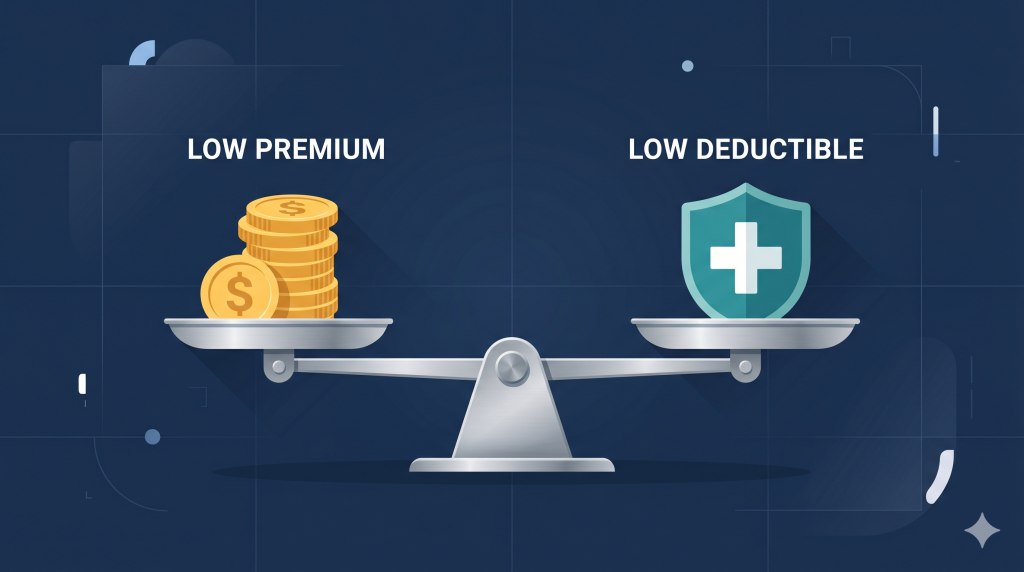
| Raise your deductible | 10% to 20% | Drivers with savings to cover the higher deductible |
| Enroll in telematics / usage-based program | 10% to 40% | Safe, low-mileage drivers |
| Take a defensive driving course | 5% to 15% | Drivers with recent violations |
| Improve your credit score | Varies by state | Drivers in states that allow credit-based rating |
| Drop unnecessary coverage on older vehicles | Varies | Owners of vehicles worth less than $4,000–$5,000 |
| Ask about all available discounts | Varies | Everyone — many discounts go unclaimed |
Quick win: Call your insurer and ask: "What discounts am I currently not receiving?" Insurers don't always volunteer this information. Low mileage, paperless billing, good student, loyalty, and professional organization discounts are frequently unclaimed.
When Should You Consider Switching Insurers
Sometimes the right answer to “why did my rate go up?” is simply: “time to find a better deal.”
Consider shopping around if your premium increased more than 10% to 15% at renewal and you haven’t had any accidents or violations. That level of increase — without a personal trigger — typically signals a market or company-level repricing that other insurers may not be applying in the same way.
Rule of thumb: Get competing quotes any time your premium goes up, regardless of the reason. Even if you ultimately stay with your current insurer, knowing the market rate gives you negotiating power — and sometimes just mentioning a competitor's lower quote is enough to prompt a review of your rate.
Use comparison tools like The Zebra, NerdWallet, or Policygenius to pull multiple quotes at once. Make sure you’re comparing the same coverage limits and deductibles — not just the monthly price.
Factors That Will NOT Cause Your Rate to Go Up
There are a few common misconceptions worth clearing up. These things do not cause your rate to increase:
- Simply getting a quote from a competitor (soft pulls don’t affect rates)
- Calling your insurer to ask questions or review your policy
- Switching to paperless billing or auto-pay
- Adding roadside assistance or rental reimbursement coverage (these don’t affect base rates)
- Getting older, once you’re past the highest-risk age brackets (rates typically improve in your 30s and 40s)
Frequently Asked Questions
Why did my car insurance go up when I had no accidents or tickets?
Several factors unrelated to your driving can cause increases: industrywide inflation in repair and medical costs, a drop in your credit score, adding a driver to your policy, moving to a new ZIP code, purchasing a new vehicle, or a statewide rate filing by your insurer. Check your renewal notice and call your insurer for a specific explanation.
How long does a rate increase from an accident last?
Most at-fault accidents affect your rate for three to five years, depending on your state and insurer. Serious incidents like DUI can impact your rate for up to ten years in some states. The increase typically diminishes gradually each year as the incident ages off your record.
Can I negotiate my car insurance rate?
Not in the traditional sense — rates are filed with and approved by state regulators. However, you can ask your insurer to review your policy for discounts you may not be receiving, question whether your rating factors are accurate, or use competing quotes as leverage to request a review. Many agents have some flexibility in applying discounts.
Does filing a claim always raise my rate?
Not always. Some insurers offer accident forgiveness for first claims. Not-at-fault claims may or may not affect your rate depending on your state laws and insurer policy. Comprehensive claims (weather damage, theft) typically have less impact than collision or liability claims. Ask your insurer before filing small claims — it may be cheaper to pay out of pocket for minor damage.
Why does where I live affect my car insurance rate?
Insurers use local data to price risk. Areas with higher rates of accidents, theft, vandalism, flooding, or hailstorms generate more claims — and insurers price that risk into premiums for everyone in that area. Moving to a lower-risk ZIP code can reduce your premium even if your driving record is identical.
Can I appeal a car insurance rate increase?
If you believe a rate increase was applied in error — for example, based on incorrect information on your driving record or an accident that wasn’t your fault — you can dispute it with your insurer. If the insurer doesn’t resolve it satisfactorily, you can file a complaint with your state’s Department of Insurance.
The Bottom Line
A car insurance rate increase feels unfair — especially when you’ve done nothing wrong. But now you know exactly why it might have happened, which reasons are within your control, and what you can do about it.
Start by getting a clear answer from your insurer on why the rate changed. Then take stock of the actions available to you: shopping quotes, asking about discounts, raising your deductible, or enrolling in a telematics program. In many cases, a proactive response can recover much or all of the increase — and sometimes even leave you better off than before.
The worst thing to do is nothing. Accepting a higher premium without investigating it costs real money — year after year.
Did this article answer your question?
Share it with someone who just got hit with a surprise premium increase — or leave a comment below with your own experience. How much did your rate go up, and what did you do about it?Share This ArticleBack to Top
Sources & References:
Bureau of Labor Statistics — Consumer Price Index, Motor Vehicle Insurance 2023–2024
Insurance Information Institute (iii.org) — Auto Insurance Rate Factors
J.D. Power — U.S. Auto Insurance Study 2024
National Association of Insurance Commissioners (NAIC.org) — Rate Filing and Consumer Complaints
Consumer Reports — Why Car Insurance Rates Are Rising 2024
FAIR Health Consumer — Injury Claim Cost Benchmarks
Federal Trade Commission (FTC) — Credit-Based Insurance Scores and the FCRA