The short answer? You can get car insurance in as little as 15 minutes. The longer answer depends on your situation, your insurer, and how prepared you are. Here is everything you need to know so you are never caught waiting — or worse, driving uninsured.
Whether you just bought a new car, switched jobs and lost your group coverage, or simply realized your current policy expired (yikes), getting car insurance fast is probably top of mind. The good news is the process is far simpler than most people expect. The better news is that with the right information, you can be covered before your next cup of coffee gets cold.
The quick answer — how long does it actually take
- 15 min Online with a major insurer, if you’re prepared
- 1–2 hrs Comparing multiple quotes before choosing
- 1–3 days Through an independent agent or broker
- Same day Coverage effective date — most insurers activate immediately
The reality is that for most standard drivers with a clean record, getting car insurance takes under an hour from start to finish. Complex situations — like a history of accidents, a specialty vehicle, or a lapse in coverage — may take longer. But for the average person? It is genuinely quick.
What affects how long it takes
The timeline is not one-size-fits-all. Several factors can speed up or slow down how quickly you get covered.
Your driving history
A clean record means fast approval. Multiple accidents or DUI convictions mean the insurer needs to do more underwriting, which adds time. Some high-risk drivers may need to apply through a state-assigned risk pool, which can take days or even weeks to process.
The type of vehicle you drive
Standard cars, SUVs, and trucks are processed instantly by most insurers. Classic cars, modified vehicles, or exotic models may require a specialist insurer and a manual review — adding anywhere from a day to a week.
How you apply
This is probably the biggest factor. Let’s break it down by method.
Online direct: 15–30 minutes Fastest option. Fill out a form, get quotes, pick a plan, pay, and receive your policy documents by email — same session.
Phone with insurer: 30–60 minutes. An agent walks you through options. Slightly slower due to wait times, but great if you have questions.
Independent broker: 1–3 days. Brokers shop multiple insurers for you. Takes longer but often yields better rates and more tailored coverage.
In-person agent: Same day. Walk in, fill out paperwork, leave with coverage. Good for people who prefer face-to-face guidance.
Your state’s requirements
Every U.S. state has minimum coverage requirements, and some states — like Michigan and New York — have more complex no-fault insurance systems. If you live in one of these states, expect slightly more questions and a few extra minutes during the application process.
Step-by-step — how to get car insurance fast
If speed is what you need, follow this process and you can be fully covered in under 30 minutes.
- Gather your information first. You will need your driver’s license number, vehicle identification number (VIN), current odometer reading, and your address. Having these ready cuts the process in half.
- Decide what coverage you need. At minimum, most states require liability coverage. If you have a loan on the car, your lender likely requires comprehensive and collision too. Know this before you start comparing.
- Use a comparison tool or go direct. Sites like The Zebra, NerdWallet, or Policygenius pull quotes from multiple insurers at once. Alternatively, go straight to major insurers like GEICO, Progressive, or State Farm online.
- Fill out the application. Answer questions about your vehicle, driving history, and coverage preferences. Most online forms take 10–15 minutes.
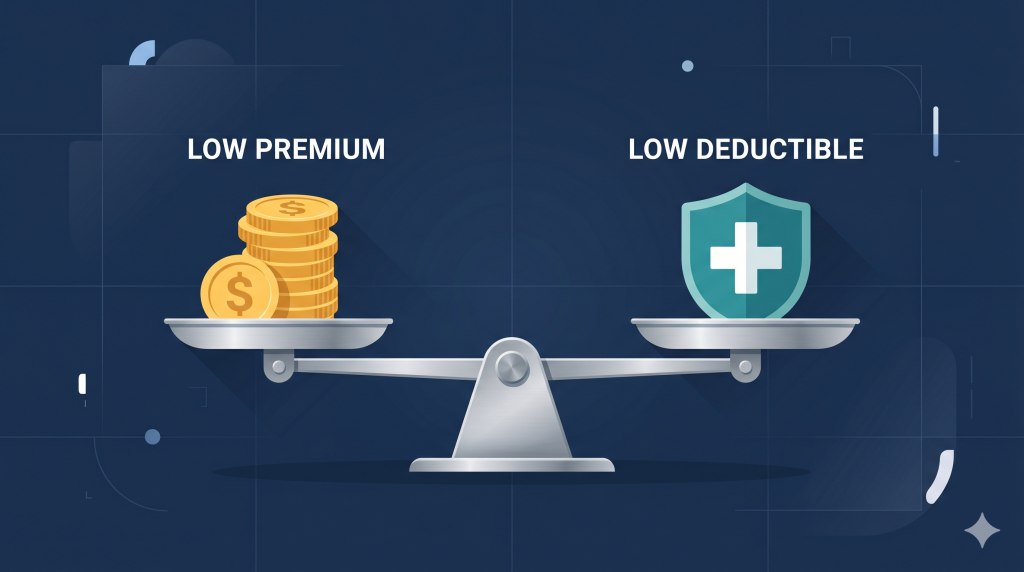
- Review your quote carefully. Check the deductible, coverage limits, and any exclusions before hitting “buy.” A lower premium is not always better if the deductible is sky-high.
- Pay and receive your documents. Most insurers accept credit/debit cards and send policy documents and proof of insurance via email instantly. Download your insurance ID card to your phone — done.
Pro tip: Many insurers offer a digital insurance ID card that is legally accepted in all 50 states. You do not need to wait for a physical card in the mail to start driving legally.
What information do you need to apply
Being unprepared is the number one reason people take longer than necessary. Here is exactly what to have on hand before you start.
- Your full name, date of birth, and address
- Driver’s license number (for every driver on the policy)
- Vehicle Identification Number (VIN) — found on the dashboard or registration
- Current mileage and primary use (commute, personal, business)
- Your claims and driving history for the last 3–5 years
- Current or previous insurance policy number (if switching)
- Lienholder information if you are financing the vehicle
You can find your VIN on your car’s registration, title, or on a metal plate visible through the windshield on the driver’s side dashboard.
How quickly does coverage start
This is the part most people care about most — and the answer is fast. With direct online insurers, coverage can begin immediately after payment. You choose an effective date during the application, and in most cases, “today” is an available option.
Some insurers may backdate coverage by one day if you accidentally let your policy lapse. Others may require a short waiting period if you have recent claims. Always confirm the exact start time and date on your policy documents before driving.
Important: Driving without insurance — even for one day — is illegal in 49 out of 50 states (New Hampshire being the exception, with conditions). Fines, license suspension, and out-of-pocket accident costs are very real consequences. Do not risk it.
Special situations that take longer
Most people get coverage in minutes, but some situations do slow things down. Here is what to expect if you fall into one of these categories.
Teen drivers
Adding a teenager to a policy — or getting a first-time policy for a teen — requires more underwriting. Insurers assess risk more carefully for inexperienced drivers. Budget extra time and expect a higher premium.
According to the Insurance Institute for Highway Safety (IIHS), teen drivers are three times more likely to be involved in fatal crashes than drivers aged 20 and over, which is why insurers price accordingly.
High-risk drivers
If you have a DUI, multiple at-fault accidents, or serious traffic violations within the last 3–5 years, standard insurers may decline your application. You may need SR-22 insurance (a certificate of financial responsibility) or coverage through your state’s high-risk pool. This process can take 3–7 business days.
Lapse in coverage
A gap in coverage — even a short one — signals higher risk to insurers. You may face higher premiums, additional questions, or a brief review period. Some insurers are more lenient than others about coverage gaps, so it pays to shop around.
Watch out: If you are switching insurers, always confirm your new policy is active before cancelling the old one. A single day without coverage can affect your rates for years.
Classic and specialty vehicles
Collector cars, kit cars, modified vehicles, and high-value exotics often require specialty insurers like Hagerty or Grundy. These companies may request an appraisal or photos, which can add a few days to the process.
Can you get same-day car insurance
Yes, absolutely. Same-day car insurance is standard practice with virtually all major direct insurers. Companies like GEICO, Progressive, Allstate, and USAA all offer instant coverage online. You can pay at noon and be covered by 12:05 PM.
The key is being ready with your information and knowing what coverage you need before you start. Walk in prepared, and you walk out (metaphorically speaking) covered.
How to speed up the process even further
If you want to get this done as fast as humanly possible, here are the insider moves.
- Use your insurer’s mobile app — many now allow you to get quotes and buy a policy entirely in-app in under 10 minutes
- Have your VIN ready before you start — this alone saves 5–10 minutes
- Use autofill — most modern browsers can populate form fields from saved data
- Skip unnecessary add-ons on your first pass — you can always add roadside assistance or rental coverage later
- Go direct instead of through a comparison site if you already know which insurer you want
Fastest route of all: Call your current insurer (if you have other policies like home or renters) and ask to add auto coverage. Bundling is usually faster, cheaper, and requires almost no new paperwork since they already have your profile.
The bottom line on car insurance timing
Getting car insurance does not need to be a long, painful process. For the vast majority of drivers, it takes less time than watching an episode of a TV show. Prepare your documents, know your coverage needs, use a reputable insurer’s online portal, and you will have proof of insurance in your inbox before you finish your next cup of tea.
The only real delay is procrastination. And if you are reading this article, you have already taken the first step — getting informed. The rest is just a few clicks and a payment screen away.
Sources: National Association of Insurance Commissioners (NAIC), Insurance Information Institute (III), Insurance Institute for Highway Safety (IIHS), Consumer Financial Protection Bureau (CFPB), GEICO and Progressive policy documentation
Was this article helpful?
Share it with someone who just bought a car, or drop a comment with your question below. Have a specific situation like SR-22 or a classic car? Ask away.