What Is the Affordable Care Act (ACA)?
The Affordable Care Act, signed into law by President Barack Obama on March 23, 2010, is one of the most significant pieces of health legislation in American history. Its formal name is the Patient Protection and Affordable Care Act (PPACA), but it is widely known by its abbreviation, ACA, or its informal nickname, Obamacare.
Before the ACA, health insurance in the United States had a serious problem: insurers could deny coverage to people who had pre-existing conditions — meaning any health issue you had before applying for insurance. They could also charge sick people dramatically higher premiums, exclude major categories of care from coverage, and impose annual or lifetime dollar limits on the benefits they paid out. The result was that millions of Americans either couldn’t afford coverage, couldn’t get it at all, or found out too late that their plan wouldn’t pay for the care they needed.
The ACA fundamentally changed those rules. It required that:
✔ Insurers must accept all applicants regardless of health history | ✔ Premiums cannot be based on health status or gender | ✔ All plans must cover a defined set of Essential Health Benefits | ✔ No annual or lifetime dollar limits on covered benefits | ✔ Financial help is available based on income
At its core, the ACA did three things: it made health insurance more affordable through subsidies, it expanded Medicaid to cover more low-income Americans, and it set minimum quality standards for all insurance plans sold to individuals and small businesses.
What Is the ACA Health Insurance Marketplace?
The ACA created a central hub for buying health insurance called the Health Insurance Marketplace, also known as the Health Insurance Exchange. Think of it as an online store for health plans where all the options meet federal standards and can be easily compared side by side.
There are two types of Marketplaces:
The Federal Marketplace (HealthCare.gov): Used by more than 30 states that chose not to build their own system. If you live in a state that uses the federal Marketplace, you visit HealthCare.gov to shop for plans, apply for subsidies, and enroll.
State-Based Exchanges: A number of states — including California (Covered California), New York, Massachusetts, and others — built their own exchange websites. These work the same way as HealthCare.gov but are managed by the state. They sometimes have different deadlines and may offer additional state-level financial assistance.
The key advantage of buying through the Marketplace is that it is the only place where you can access premium tax credits (subsidies) to lower your monthly premium cost. Plans sold outside the Marketplace — directly through insurers or brokers — must still follow ACA rules about coverage, but they are not eligible for federal financial help.
💡 Did You Know? In 2026, approximately 183 qualified health plan issuers participate in the federal HealthCare.gov Marketplace across 30 states, giving most consumers access to six or seven insurance companies to choose from on average.
What Does ACA Health Insurance Cover? The 10 Essential Health Benefits
One of the most important provisions of the ACA is the requirement that all qualifying health plans must cover ten categories of services known as Essential Health Benefits (EHBs). Before the ACA, insurance plans in the individual market routinely excluded major categories of care. In 2011, for example, 62% of individual-market enrollees had no maternity coverage, 34% had no substance use treatment, and 18% had no mental health coverage at all.
The ACA closed those gaps. Here are all ten Essential Health Benefits that every ACA-compliant plan must cover:
It’s important to understand that while these benefits are mandatory, plans can still require you to pay your share of the costs through deductibles, copayments, and coinsurance — with the exception of preventive services, which must be covered with zero out-of-pocket cost to you. Additionally, there are no annual or lifetime dollar limits on any of these ten benefit categories.
ACA Plan Types: Understanding the Four Metal Tiers
One of the most unique and practical features of the ACA Marketplace is the metal tier system. All plans are classified into one of four levels — Bronze, Silver, Gold, or Platinum — based on how the costs are split between you and the insurance company. The metal tiers describe cost-sharing, not the quality of care or the size of the doctor network.
| Metal Tier | Monthly Premium | Plan Pays (Avg.) | You Pay (Avg.) | Best For | Special Note |
|---|---|---|---|---|---|
| Bronze | Lowest | ~60% | ~40% | Healthy people who want low monthly costs and rarely need care | HSA-eligible in 2026; high deductibles apply |
| Silver | Moderate | ~70% | ~30% | Middle-income earners; those who qualify for extra savings | Only tier eligible for Cost-Sharing Reductions (CSR) |
| Gold | Higher | ~80% | ~20% | People who use healthcare frequently (regular prescriptions, specialist visits) | Lower out-of-pocket costs when you actually use care |
| Platinum | Highest | ~90% | ~10% | People with serious chronic conditions requiring frequent high-cost care | Very low deductibles; most predictable annual costs |
There is also a fifth category — Catastrophic plans — available only to people under 30 or those who qualify for a hardship exemption. These plans have very low premiums and very high deductibles, providing a safety net against major medical expenses only.
⚠️ The Silver Tier Secret: If your income qualifies for Cost-Sharing Reductions (CSR), you must enroll in a Silver plan to receive them. CSR subsidies can dramatically reduce your deductibles and copays — potentially lowering your out-of-pocket maximum from thousands of dollars to just a few hundred.
Who Is Eligible for ACA Health Insurance?
To enroll in a Marketplace health plan, you generally must meet all of the following criteria:
1. You must live in the United States. You must be a resident of the state where you’re applying for coverage.
2. You must be a U.S. citizen or lawfully present immigrant. Undocumented immigrants are not eligible for Marketplace plans or premium tax credits, though they remain eligible for emergency medical services.
3. You must not be incarcerated (other than while awaiting trial).
4. You must not be enrolled in Medicare. If you’re on Medicare, you cannot also use ACA Marketplace plans.
For subsidy eligibility specifically, your household income must generally be at least 100% of the Federal Poverty Level (FPL) to qualify for premium tax credits (in Medicaid expansion states, those below 100% FPL are typically covered by Medicaid). Historically, there was also an upper income limit of 400% FPL, but this cap was removed under the enhanced subsidies of 2021–2025.
🚨 Important 2026 Change: The enhanced premium tax credits that provided extra savings to ACA enrollees since 2021 expired on December 31, 2025. While standard subsidies remain in place, many enrollees are paying higher premiums in 2026. A single adult who paid $50/month in 2025 could be paying $150/month or more in 2026 depending on their income and location.
ACA Subsidies: How Financial Help Works
One of the most powerful features of the ACA is the system of financial assistance it provides to make coverage affordable. There are two types of subsidies:
Premium Tax Credits (PTCs)
These subsidies reduce your monthly premium — the amount you pay every month whether or not you use healthcare. The credit is paid directly to your insurance company on your behalf, so you only pay the difference. The amount of the credit is based on your estimated annual household income and how it compares to the Federal Poverty Level.
In 2026, even with the expiration of the enhanced subsidies, federal premium tax credits remain available for eligible enrollees. According to federal data, for those who qualify, tax credits cover roughly 91% of the cost of the lowest-priced plan available — meaning the average eligible enrollee’s cheapest option is still around $50 per month after the credit is applied.
Cost-Sharing Reductions (CSRs)
These are separate from premium tax credits and work differently. CSRs reduce the amount you pay when you actually use healthcare — lowering your deductible, copayments, and out-of-pocket maximum. They are available only to people with incomes between 100% and 250% of the Federal Poverty Level, and — critically — you can only receive them if you enroll in a Silver-tier plan.
💡 Subsidy Reconciliation: Premium tax credits are based on your estimated income. When you file your federal tax return the following year, the IRS reconciles the actual credit against what you received. If your income was higher than estimated, you may owe money back. If it was lower, you may receive a refund.
Key Consumer Protections Under the ACA
Beyond coverage and subsidies, the ACA established a series of consumer protections that apply to nearly all health insurance plans — not just Marketplace plans. These represent the legal foundation of modern American health insurance:
No Denial for Pre-Existing Conditions: Insurers must accept all applicants regardless of their medical history. A cancer survivor, a diabetic, someone with heart disease — none of these can be denied coverage or charged more.
No Premium Variation Based on Health or Gender: Premiums can only vary based on four factors: your age (with older adults paying no more than three times what younger adults pay), where you live, your family size, and whether you use tobacco.
Dependent Coverage Until Age 26: Young adults can remain on a parent’s health insurance plan until their 26th birthday, regardless of whether they are a student, married, or employed.
No Annual or Lifetime Dollar Limits: Insurers cannot cap the total amount they will pay for covered services over the course of a year or a lifetime. Before the ACA, this cap left many seriously ill patients without coverage when they needed it most.
Free Preventive Care: Non-grandfathered health plans must cover preventive services recommended by the U.S. Preventive Services Task Force (including cancer screenings, vaccinations, and birth control) with no out-of-pocket cost to the patient.
Transparent Summary of Benefits: Insurers must provide a standardized, easy-to-read Summary of Benefits and Coverage (SBC) document so you can compare plans on equal terms.
When Can You Enroll? Open Enrollment and Special Enrollment Periods
You cannot simply sign up for ACA health insurance at any time of year. Enrollment is regulated to maintain a stable insurance market and prevent “adverse selection” — where only sick people would sign up, making costs unsustainable for everyone.
Open Enrollment Period (OEP)
The annual Open Enrollment Period is the main window when anyone can sign up for a new plan, switch plans, or make changes to their existing coverage. For 2026 coverage, the open enrollment period ran from November 1, 2025 through January 15, 2026 in most states. If you enrolled by December 15, your coverage started January 1; if you enrolled between December 16 and January 15, coverage started February 1.
Starting in the fall of 2026 (for the 2027 coverage year), open enrollment will end December 15 in the majority of states and will not be permitted to run past December 31 in any state. This is a significant change from the extended windows some states offered previously.
Special Enrollment Period (SEP)
If you miss open enrollment, you can only sign up for an ACA Marketplace plan if you experience a qualifying life event that triggers a Special Enrollment Period. Common qualifying events include:
— Losing health coverage (job loss, aging off a parent’s plan, losing Medicaid eligibility) | — Getting married or divorced | — Having a baby or adopting a child | — Moving to a new state or coverage area | — Changes in income that affect subsidy eligibility | — Gaining status as a U.S. citizen or lawfully present immigrant
A Special Enrollment Period typically gives you 60 days from the qualifying event to enroll in a plan. Coverage usually starts on the first day of the month following enrollment.
How to Enroll in ACA Health Insurance: Step-by-Step
- Gather Your Information Before you start, collect your Social Security numbers for all family members, employer and income information for everyone in your household, recent pay stubs or tax returns, and a list of your current doctors and medications.
- Visit the Marketplace Website Go to HealthCare.gov if your state uses the federal exchange, or visit your state’s own exchange website. You can also work with a licensed insurance broker or certified navigator at no cost to you — they are paid by the insurance companies, not by you.
- Create an Account and Fill Out the Application The application asks about your household size, income, and current coverage. Based on this, it will tell you what subsidies you qualify for, whether you’re eligible for Medicaid, and what plans are available to you.
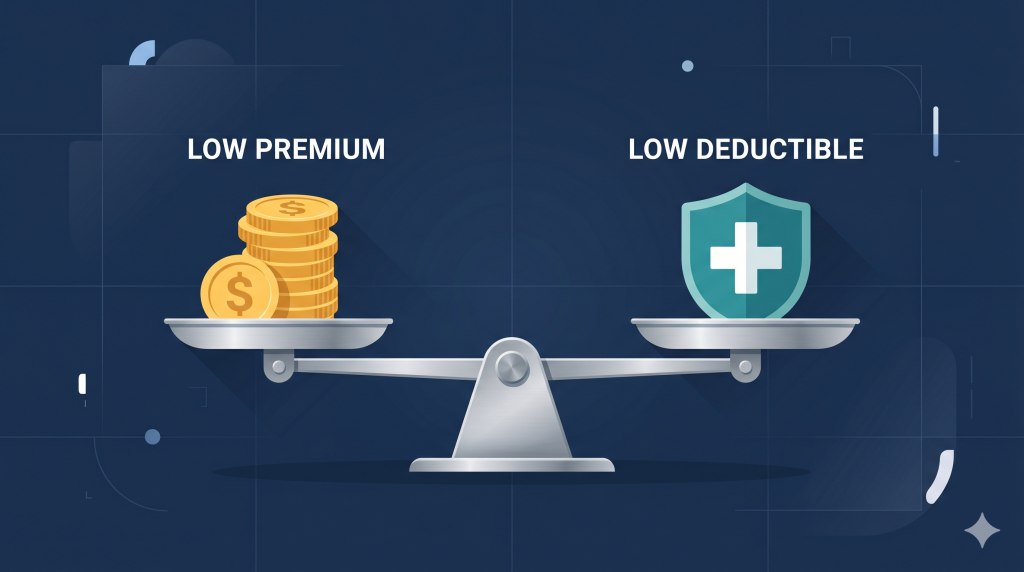
- Compare Plans Carefully Don’t just look at the monthly premium. Consider your total annual cost (premium + deductible + estimated copays), whether your doctors are in-network, whether your prescriptions are covered, and your out-of-pocket maximum.
- Choose a Plan and Enroll Once you select a plan, complete the enrollment process on the website. You’ll receive a confirmation, and then you need to pay your first month’s premium directly to the insurance company.
- Pay Your First Premium Your coverage does not begin until you pay your first premium to the insurer. Don’t skip this step — without payment, you won’t be covered.
ACA Insurance vs. Non-ACA Alternatives: What to Watch Out For
Not every health plan sold in the United States is an ACA-compliant plan. Understanding the difference is critical, because plans that don’t comply with the ACA can leave you with serious gaps in coverage.
Short-Term Health Plans: These are designed to fill temporary gaps in coverage. They can be significantly cheaper than ACA plans, but they are not required to cover Essential Health Benefits, they can deny you for pre-existing conditions, and they can impose annual benefit caps. They are not a substitute for comprehensive coverage.
Healthcare Sharing Ministries: These are not insurance at all. They are faith-based organizations where members contribute money to a shared pool that pays each other’s medical bills. There is no legal guarantee of payment, no regulation under insurance law, and no protection if the ministry declines to pay a claim. Exercise extreme caution.
Indemnity Plans and Discount Plans: These provide fixed cash payments for medical events or discounts at certain providers. They are not comprehensive health insurance and will not protect you from major medical costs.
⚠️ Warning: Products marketed as “alternatives” to health insurance may be significantly cheaper but can leave you with enormous out-of-pocket costs if you become seriously ill. Always verify whether a plan is ACA-compliant before enrolling.
The ACA in 2026: What’s Changed?
The ACA landscape in 2026 is meaningfully different from prior years. Here are the most important developments:
Enhanced Subsidies Have Expired: The boosted premium tax credits introduced in 2021 — which expanded eligibility and increased the size of credits — expired on December 31, 2025. While base-level subsidies remain, many enrollees are experiencing premium increases. A person paying $50/month in 2025 might see their bill jump to $150/month or more in 2026.
Premiums Are Rising Significantly: Regional premium increases for 2026 are steep and highly variable. Some metro areas have seen Gold plan premiums jump by 40–68%. Regional insurance carriers (Ambetter, Oscar, Molina, Kaiser) are often offering premiums 10–20% lower than major national carriers, so shopping around is more important than ever.
All Bronze Plans Are Now HSA-Eligible: Starting in 2026, all Bronze and Catastrophic Marketplace plans are Health Savings Account (HSA)-eligible. This expands access to tax-advantaged savings accounts for millions of enrollees who can now set aside pre-tax money for future medical expenses.
More Insurer Participation: In 2026, there are 183 qualified health plan issuers across 30 states on HealthCare.gov, giving consumers more choices than in many prior years.
New Eligibility Regulations: New federal regulations may affect who qualifies for ACA plans in 2026. If fewer healthy people remain enrolled due to higher costs, this could push premiums higher for those who stay — a dynamic known as adverse selection.
Frequently Asked Questions About ACA Health Insurance
Final Thoughts: Is ACA Health Insurance Right for You?
ACA health insurance is not a single plan or a government-run program — it is a regulated, private insurance marketplace where you can buy health coverage with strong consumer protections and, depending on your income, significant financial help. For individuals and families who don’t have access to affordable job-based coverage and aren’t eligible for Medicare or Medicaid, it is typically the best path to comprehensive, legally-protected health insurance in the United States.
The most important thing to understand about choosing an ACA plan is that the lowest monthly premium is rarely the right choice for everyone. The true cost of a health plan includes everything you might pay over the year — your premium, your deductible, your copays, and your out-of-pocket maximum. A plan that seems cheap on paper can be devastatingly expensive if you end up needing significant medical care.
Before making a decision, use the official HealthCare.gov subsidy calculator to determine what financial help you qualify for, compare plans carefully based on your actual healthcare needs, verify that your doctors and prescriptions are covered, and don’t hesitate to work with a licensed broker or certified navigator — this service is free to you and can save you both time and money.
📌 Bottom Line: The ACA transformed American health insurance by making it accessible, regulated, and financially supported for millions of people. Understanding how it works — the tiers, the subsidies, the protections, and the enrollment rules — puts you in a far better position to choose coverage that genuinely protects your health and your finances.